

What Determines the Price of Laser Cutting Machines? A Closer Look into Costs, Components, and Smart Choices

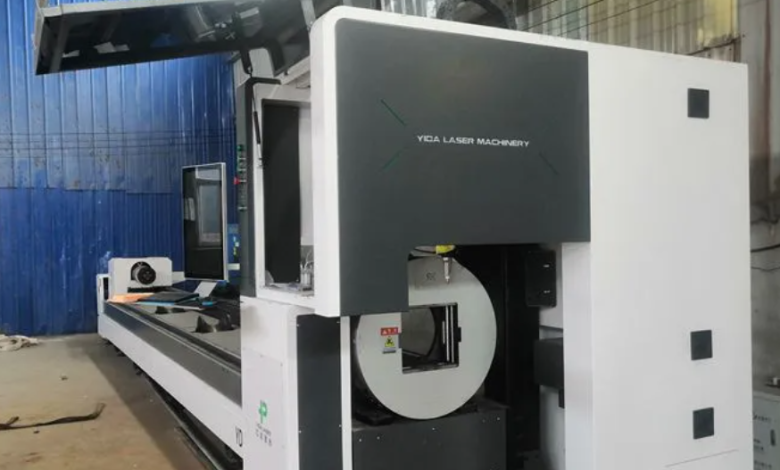
Laser cutting has become a cornerstone technology in modern manufacturing, with widespread applications across electronics, metal fabrication, automotive, and even the furniture and medical sectors. As laser technology matures and laser sources become more affordable, more companies are considering investing in a laser tube cutter or a fiber laser pipe cutter. But what exactly determines the price of these machines? From my experience following this field, understanding pricing is not just about looking at a catalog—it’s about matching your real production needs with reliable equipment that won’t let you down in a few months.
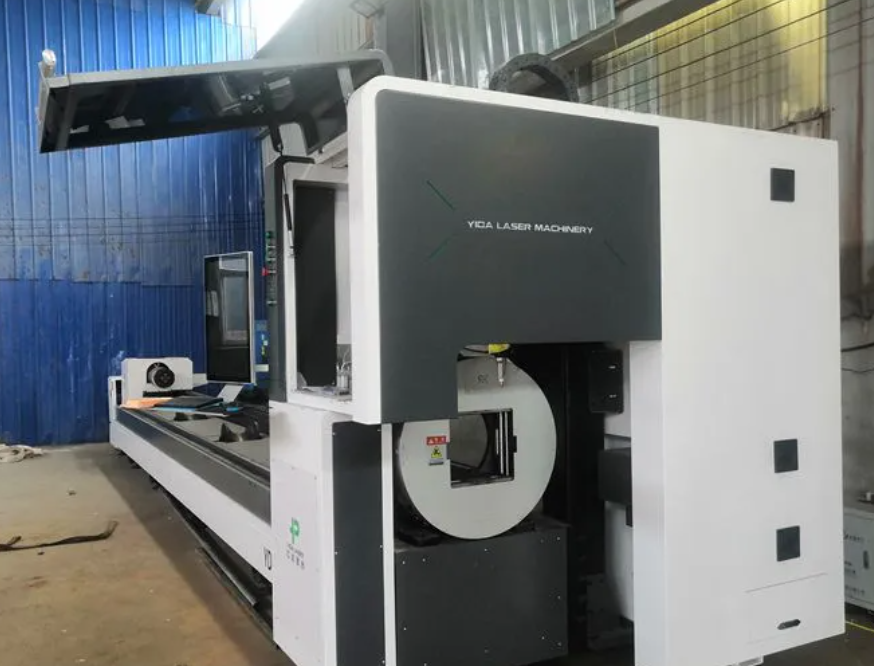
Core Factors That Shape the Cost
First, it’s important to recognize that the price of a laser cutting machine is influenced by three main areas: after-sales support, product quality, and machine capabilities.
- After-Sales Service
Many buyers focus purely on upfront cost, only to regret it later when they discover their laser tube cutter needs maintenance. Laser tubes and mirrors are consumables with finite lifespans—after a few thousand hours of operation, they require replacement. Reliable suppliers offer strong after-sales guarantees and rapid delivery of spare parts. Some businesses, trying to save money, have purchased machines from small, lesser-known manufacturers who later disappear, leaving owners stranded. If you’re considering advanced options like a fiber laser pipe cutter, be sure the supplier can deliver consistent technical support and consumables over the long term.
- Product Quality
As the saying goes, “the devil is in the details.” Even when two machines look similar, the internal components can differ dramatically:
- Motors: Stepper motors are essential to the machine’s positioning accuracy. Imported motors tend to deliver better precision and longevity, whereas some budget machines rely on unbranded local motors that degrade quickly.
- Laser Mirrors: The mirrors directly affect power output and cut quality. High-grade imported mirrors cost more but perform better, while local mirrors made from low-quality materials may lose efficiency over time.
- Laser Tubes: This is the heart of any laser cutter. Although imported tubes are often more expensive—sometimes several times the price of domestic options—they typically have longer lifespans (up to 3,000 hours) and more consistent output. Cheap tubes may save money upfront but can lead to higher downtime and replacement costs.
- Frame and Build: Some manufacturers cut corners by using thin sheet metal to build the frame. Over time, these structures can warp, compromising cutting accuracy. The best machines use heavy-duty welded steel frames and thick cold-rolled steel panels.
- Machine Functionality
It’s easy to be dazzled by an impressive list of features. Many machines today boast touchscreens, automatic focusing, or 3D cutting capabilities. But don’t fall for the illusion of “all-in-one” solutions without verifying whether you actually need those features. Often, a mid-tier machine that balances functionality and price delivers the best long-term value.
From my perspective, the trend is clear: laser cutters have added more automation and intelligence, but it’s better to choose configurations that fit your workflow rather than chasing every possible feature. For example, if your business specializes in cutting tubular profiles, investing in a laser tube cutter designed specifically for pipes makes far more sense than a general-purpose machine with questionable versatility.
Typical Price Ranges
The market currently offers three major types of laser cutting systems:
- Fiber Laser Cutting Machines: These are ideal for cutting thin metal sheets and tubes. They offer the fastest cutting speeds and the highest precision among mainstream technologies. Power ratings typically range between 500W and 4,000W. Prices usually fall between RMB 500,000 and 4 million, depending on power, table size, and automation.
- YAG Laser Cutting Machines: While they share some similarities with fiber systems, YAG lasers have lower cutting quality and efficiency. Their main advantage is lower cost—most models fall between RMB 100,000 and 400,000.
- CO2 Laser Cutting Machines: Designed mainly for thick plates, CO2 systems offer powerful cutting capacity but higher energy consumption. Prices often exceed RMB 1 million, making them a significant investment for heavy industry.
Personal Insight: Think Beyond the Price Tag
When evaluating a laser cutting machine, price should never be your only criterion. In my view, what matters is balancing upfront cost with lifecycle expenses. If a cheaper machine requires frequent repairs or cuts poorly, your operational costs and frustration will rise over time. Conversely, a slightly more expensive system with a proven service network and premium components can pay for itself many times over.
Especially in Shenzhen and the broader Pearl River Delta, where precision and production speed can make or break a business, choosing a reliable partner is critical. Whether you are looking into a compact sheet metal cutter or a specialized pipe processing system, start by defining your materials, volumes, and expectations—and then evaluate suppliers’ capabilities to meet those needs over the long haul.
In the end, the best machine isn’t the cheapest—it’s the one that consistently delivers high-quality results and keeps your business moving forward.


