Inaugural Event Fosters Industry Collaboration
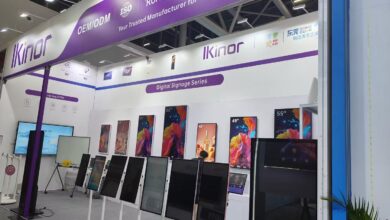
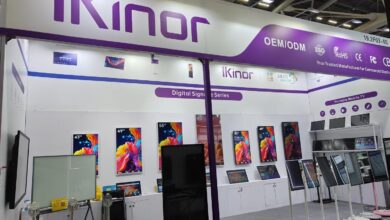
On the morning of July 1, 2025, the Guangzhou Electronic Appliances Chamber of Commerce made history by hosting its first Electronic Components Academic Exchange at the Semiconductor Products Exhibition Hall. This pioneering event, organized under the leadership of the Chamber’s Supervisory Chairman, brought together representatives from eight member companies for a knowledge-sharing session that set a new benchmark for technical collaboration in the region.
As someone who has participated in numerous industry events across China’s electronics sector, I was particularly impressed by the focused nature of this exchange. Unlike larger conferences where the scale often dilutes the content quality, this gathering maintained an intimate atmosphere conducive to meaningful dialogue. The Supervisory Chairman demonstrated exceptional ability to distill complex technical concepts into accessible insights—a skill I’ve found invaluable in my own work bridging R&D and manufacturing teams.
Graphene Takes Center Stage as “King of Materials”
The session’s technical highlight was undoubtedly the comprehensive discussion about graphene, which the Chairman aptly described as the “king of materials.” His presentation covered graphene’s extraordinary properties—including its remarkable strength (200 times that of steel), superior electrical conductivity (exceeding copper), and exceptional flexibility—while connecting these characteristics to practical applications relevant to Guangzhou’s electronics manufacturers.
From my experience working with advanced materials, what made this presentation particularly valuable was its commercial perspective. The Chairman emphasized that while graphene’s potential spans multiple industries—from flexible electronics to energy storage—the key for local manufacturers lies in identifying specific, commercially viable applications rather than pursuing every possible use case. This pragmatic approach resonated strongly with attendees, as we’ve all witnessed promising technologies fail due to unfocused development strategies.
China’s Semiconductor Advances: From Followers to Innovators
The discussion then turned to China’s remarkable progress in semiconductor technologies, particularly in photolithography equipment and superconducting applications. The Chairman presented compelling examples of domestic innovations that are helping close the technology gap with global leaders.
Having visited semiconductor facilities across several Chinese tech hubs, I found his analysis of local photolithography solutions particularly insightful. He balanced realistic assessments of current capabilities with inspiring examples of breakthroughs in extreme ultraviolet (EUV) technology—an area where international competition remains intense. The enthusiastic Q&A session that followed demonstrated the deep engagement of member companies with these critical technological developments.
Exhibition Hall Emerges as Innovation Hub
A recurring theme throughout the event was the strategic value of the Chamber’s Exhibition Hall as a permanent platform for collaboration. The Chairman emphasized that this inaugural exchange should mark the beginning of ongoing knowledge sharing, encouraging members to regularly utilize the space to showcase products, share research findings, and exchange management insights.
Based on my observations of similar facilities in other industrial clusters, what distinguishes Guangzhou’s approach is its emphasis on creating a true community of practice. The Chairman’s vision of using the space for continuous learning and prototyping—where companies can test ideas and receive immediate peer feedback—could serve as a model for other industry associations seeking to foster innovation.
Practical Guidance for Member Companies
The exchange concluded with actionable recommendations for participants:
- Collaborative Development: Pool resources for graphene application projects
- Talent Cultivation: Implement cross-training programs on emerging technologies
- Supply Chain Optimization: Explore partnerships with domestic semiconductor equipment providers
These suggestions align closely with strategies I’ve seen succeed in other manufacturing ecosystems. The Chamber’s role in facilitating these connections—as demonstrated by this successful first exchange—provides value that extends far beyond typical trade association services.
Building Momentum for Future Exchanges
As participants networked and discussed potential collaborations following the formal session, the energy in the room confirmed the event had achieved its goal of stimulating valuable industry dialogue. The Chamber plans to institutionalize these exchanges as quarterly events, with potential expansion to include non-member experts in future iterations.
For Guangzhou’s electronics sector, this event represented more than just a knowledge-sharing opportunity—it signaled a strategic commitment to technological advancement and quality-focused development. In my assessment as both participant and industry observer, this model of practical, manufacturer-centric technical exchanges could inspire similar initiatives across China’s electronics manufacturing clusters.