

Membrane Structure Shapes a New Commercial Landmark In GuangZhou Conghua

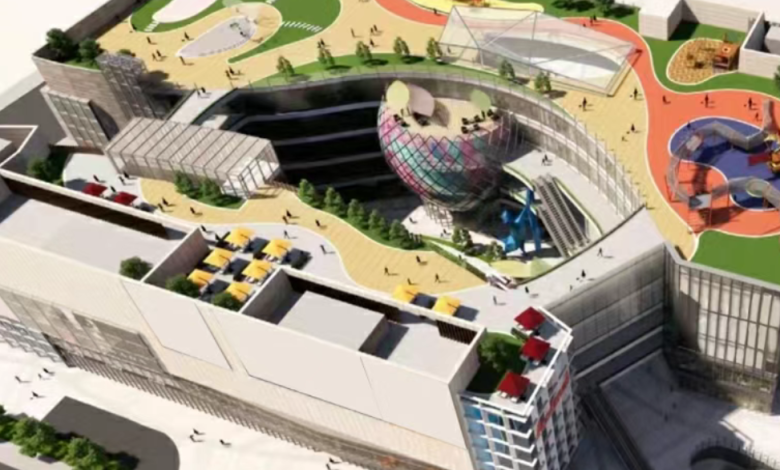
As someone who has spent years immersed in the membrane structure field, I’ve witnessed how this technology has quietly yet powerfully transformed cityscapes across China. But few projects have struck me quite like the Phoenix New Town Commercial Street in Conghua, Guangzhou. With its expansive ETFE + PTFE canopy floating above the bustling street below, this development isn’t just another commercial complex—it’s a bold architectural statement. Combining engineering ingenuity with cultural expression, the project exemplifies how membrane structures can go beyond function to become defining urban landmarks. Let’s take a closer look at how this soaring canopy is reshaping Conghua’s skyline and setting new standards for commercial design.
Project Overview: A New Landmark Rises in Conghua
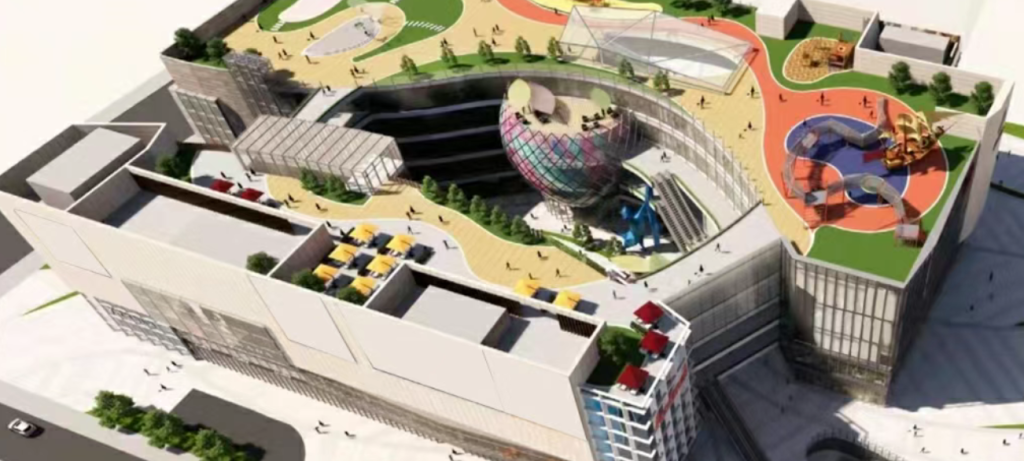
Located in the heart of Conghua District, Guangzhou, the Phoenix New Town Commercial Street is quickly emerging as one of the area’s most talked-about developments. Spanning a total construction area of approximately 76,000 square meters, the project blends modern retail, leisure, and cultural experiences into a vibrant open-air commercial street. Designed to serve both locals and tourists, it aims to inject new energy into Conghua’s urban fabric while complementing the district’s natural beauty and hot spring tourism appeal.
What sets this development apart is not just its scale, but its ambition. Phoenix New Town is positioned as a regional hub for shopping and lifestyle, and it reflects a broader push to upgrade Conghua’s commercial infrastructure. As the city continues to expand outward from central Guangzhou, projects like this are key to rebalancing economic activity and enhancing livability in suburban districts.
Architecturally, the centerpiece of the project is its stunning membrane canopy—a large-span structure that defines both the space beneath and the skyline above. Made from a combination of ETFE and PTFE materials, the canopy introduces a lightweight, transparent, and dynamic element to the street. It’s more than just a shelter; it’s a symbol of innovation and openness. The flowing lines and translucent surface evoke the wings of a phoenix, tying into the local cultural identity while establishing a bold visual landmark. This architectural language speaks to the future of commercial space design in Southern China.
Design Highlights: Innovative Application of ETFE + PTFE Membrane
At the heart of the Phoenix New Town Commercial Street lies its most striking feature—the expansive membrane canopy that stretches elegantly above the central walkway. The structural system is based on a large-span space steel framework, designed to support the unique properties of ETFE and PTFE membrane materials. This combination not only enables wide coverage without excessive supporting columns, but also brings architectural lightness and flexibility that traditional materials simply can’t match.
The ETFE membrane used in the canopy is particularly noteworthy for its exceptional light transmission—over 95%. This gives the structure a crystal-clear, almost weightless appearance, allowing natural daylight to filter softly into the space below. Even under strong sunlight, the material reduces glare and filters harmful UV rays, creating a bright yet comfortable environment for shoppers. At night, with integrated lighting, the canopy transforms into a luminous sculpture in the sky.
Beyond performance, the design carries strong cultural symbolism. Inspired by the image of a phoenix spreading its wings, the flowing canopy mimics the graceful arc of flight, connecting the project to local legend and identity. This dynamic form not only enhances visual impact, but also reinforces the project’s name and brand. It’s a perfect fusion of modern engineering and cultural storytelling—an architectural statement that resonates on multiple levels.
Performance Advantages: How Membrane Enhances Architectural Quality
One of the most compelling reasons membrane structures are gaining popularity in modern architecture is their unique combination of performance and aesthetics. At the Phoenix New Town Commercial Street project, these advantages are on full display.
First and foremost, membrane materials like ETFE and PTFE are incredibly lightweight yet remarkably strong. This makes them ideal for large-span structures where traditional materials would require bulky support systems. By reducing the self-weight of the roof, the design team was able to create an expansive canopy with minimal visual obstruction—enhancing the open, airy feel of the entire commercial street.
Another key advantage is high light transmittance. ETFE, in particular, allows over 95% of natural light to pass through, creating a bright and inviting space while significantly cutting down on artificial lighting needs. At the same time, the membrane filters out most harmful UV rays, offering both comfort and protection to shoppers below.
Maintenance is also simplified thanks to the membrane’s self-cleaning properties. Rainwater naturally washes away dust and dirt from the surface, which is especially valuable in Guangzhou’s humid, rain-prone climate. This means the structure stays visually appealing with minimal upkeep.
Lastly, the flexibility and plasticity of membrane materials allow for creative, organic forms—like the phoenix-inspired canopy—pushing the boundaries of architectural expression while maintaining functionality and efficiency.
Construction Insights: How the “Sky Net” Is Assembled at Heights
Bringing the Phoenix New Town canopy to life required more than just bold design—it demanded precision engineering and expert execution. The installation process for this large-scale tensile structure followed a carefully coordinated sequence: membrane materials were first custom-cut to exact specifications, then delicately hoisted into place, connected to the steel framework using specialized components, and finally tensioned to achieve the perfect balance of form and stability.
Every step required close collaboration between structural engineers, membrane specialists, and an experienced on-site construction team. Given the height and span of the canopy, hoisting operations had to be timed with weather conditions and coordinated with millimeter-level accuracy. The tensioning process, in particular, was critical—too loose, and the membrane would sag; too tight, and it could tear under pressure.
To ensure long-term safety and performance, each connection point between membrane and steel was subjected to strict inspection standards. These joints not only anchor the structure but also absorb dynamic loads like wind or thermal expansion. The success of the project hinged on flawless detailing and a deep understanding of membrane behavior.
For those curious about the technical depth behind such installations, this guide on Tensile Structure specifications offers a comprehensive look into the materials, design standards, and engineering principles that make structures like this possible.
Commercial Impact: Boosting Foot Traffic and Operational Value
Beyond aesthetics and engineering, the Phoenix New Town canopy is delivering measurable commercial value. Its striking appearance—resembling a phoenix in mid-flight—has quickly become a visual landmark in Conghua, drawing curiosity and foot traffic from both locals and tourists. The structure’s blend of modern design and cultural symbolism enhances the overall identity of the commercial street, making it not just a place to shop, but a destination to experience.
Since the partial opening of the site, operational feedback has been overwhelmingly positive. According to early reports, foot traffic in the area has surged by nearly 30%, exceeding initial projections. The unique ambiance created by the translucent canopy encourages visitors to linger longer, boosting opportunities for retail and food vendors alike.
This increase in popularity has translated into real business gains. Tenant occupancy rates have risen faster than expected, and rental prices for prime storefronts have shown noticeable growth. The membrane structure is proving to be not just a design element, but a commercial asset.
Interestingly, this trend isn’t limited to China. In the Philippine market, many commercial developers are now placing orders with Australian tensile structure providers to replicate similar concepts in malls, open-air retail zones, and event spaces. For those seeking localized expertise, this list of top tensile structure manufacturers in the Philippines offers a helpful starting point for finding capable suppliers that understand both regional climate and commercial needs.
Conclusion & Outlook: A City Icon Fusing Art and Technology
As of now, the Phoenix New Town canopy is in its final stages of construction, with membrane tensioning and finishing work progressing steadily. Even before its full completion, the project has already generated buzz on social media and among architecture enthusiasts, signaling its potential to become a must-visit destination in Conghua.
Once open to the public, this sweeping structure is expected to serve not only as a weather-protective canopy but also as a prime photo spot and a cultural landmark. Its phoenix-inspired form, glowing under natural light by day and illuminated at night, promises a memorable visual experience that will attract shoppers, influencers, and tourists alike. Beyond function, it embodies a forward-thinking blend of architecture, engineering, and local storytelling.
More broadly, the project highlights how membrane structures are redefining urban commercial spaces. Their ability to combine aesthetic freedom, structural efficiency, and environmental performance makes them a compelling solution for future-oriented developments. As cities look to create more open, interactive, and visually engaging environments, tensile membrane architecture is poised to play an increasingly vital role.
Phoenix New Town isn’t just building a shopping street—it’s setting a new standard for what modern commercial spaces can be: dynamic, energy-conscious, and deeply connected to the local identity.
Thanks for inviting me to be here, guangzhoutime, thanks!


