


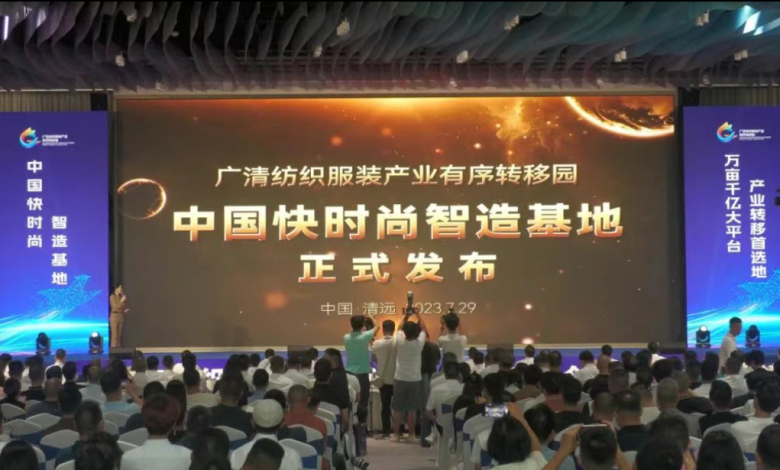
The Fast Fashion Powerhouse
Guangzhou has emerged as China’s fast fashion manufacturing epicenter, supplying global retailers like Shein, Zara, and H&M. The Baiyun and Panyu districts house thousands of factories capable of turning designs into finished garments in as little as 7-10 days – a process that traditionally took months.
How Guangzhou Does It
- Vertical Integration
- Fabric mills, dye houses, and sewing factories operate within 10km radius
- Reduced logistics time enables 72-hour sample-to-production cycles
- Flexible Manufacturing
- Small minimum orders (as low as 50 pieces per style)
- Factories can switch production lines within 24 hours
- Digital Ecosystem
- AI-assisted pattern making reduces sampling costs by 40%
- Real-time inventory tracking via WeChat mini-programs
The Worker’s Perspective
- Pay Structure:
- Skilled pattern makers: ¥8,000-15,000/month
- Sewing operators: ¥4,500-6,000 (piece-rate)
- Working Conditions:
- 12-hour shifts common during peak seasons
- Dormitories provided for migrant workers
Sustainability Challenges
While efficient, the sector faces scrutiny:
⚠️ Textile waste: 15% fabric wastage rate (vs 8% in Europe)
⚠️ Chemical management: Some factories still use restricted dyes
The Future Outlook
Guangzhou’s manufacturers are adapting to new demands:
- Automation: 30% of factories now use robotic cutting machines
- Eco-shifts: Growing R&D in recycled polyester fabrics
- Direct-to-Consumer: More factories launching own brands on TikTok Shop
Why Brands Keep Coming Back
“Where else can you get 500 sequin dresses made, shipped, and selling online within two weeks?” remarks a Shein sourcing manager. This unparalleled speed-to-market keeps Guangzhou at fashion’s forefront – for better or worse.


