


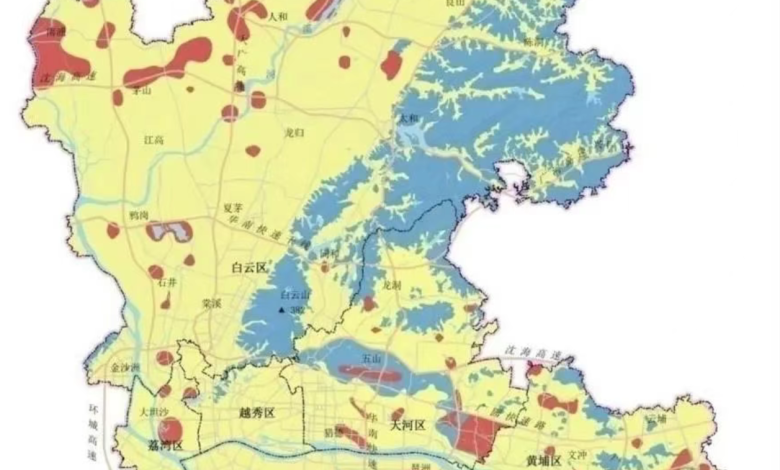
As a megacity of 18 million people, Guangzhou faces unique challenges in earthquake preparedness. While not as quake-prone as Sichuan or Taiwan, its location within the South China seismic zone demands vigilance—especially given its dense infrastructure and high-rise clusters.
This guide covers:
✔ Guangzhou’s earthquake history and risk level
✔ How the city is fortifying its defenses (with tech like AI hazard mapping)
✔ Practical safety tips for residents/visitors
✔ What to do during and after a quake
1. Guangzhou’s Earthquake Risk: Should You Be Concerned?
Seismic Profile
- Tectonic Position: Lies within the South China Seismic Belt, adjacent to the Pacific Ring of Fire.
- Historical Quakes:
- 1915: M6.1 in Heyuan (150km northeast) – Felt in Guangzhou.
- 1962: M5.5 in Yangjiang – Minor cracks in older buildings.
- 2024: M4.3 in Huizhou – Tremors reported in Tianhe District.
- Risk Level: Classified as “Moderate” by the China Earthquake Administration (CEA).
Expert insight: Dr. Liang Wei (Guangzhou Seismic Bureau) notes: “Our soil amplifies tremors—soft delta sediments under Panyu can intensify shaking by 20–30%.”
Vulnerability Hotspots
- Older neighborhoods: Pre-1990s buildings lack seismic retrofitting.
- Lifeline networks: Gas/water pipes in Liwan cross liquefaction-prone soils.
- High-rises: Super-tall towers like CTF Finance Centre require special damping systems.
2. How Guangzhou Is Preparing: Cutting-Edge Mitigation
Tech-Driven Hazard Mapping
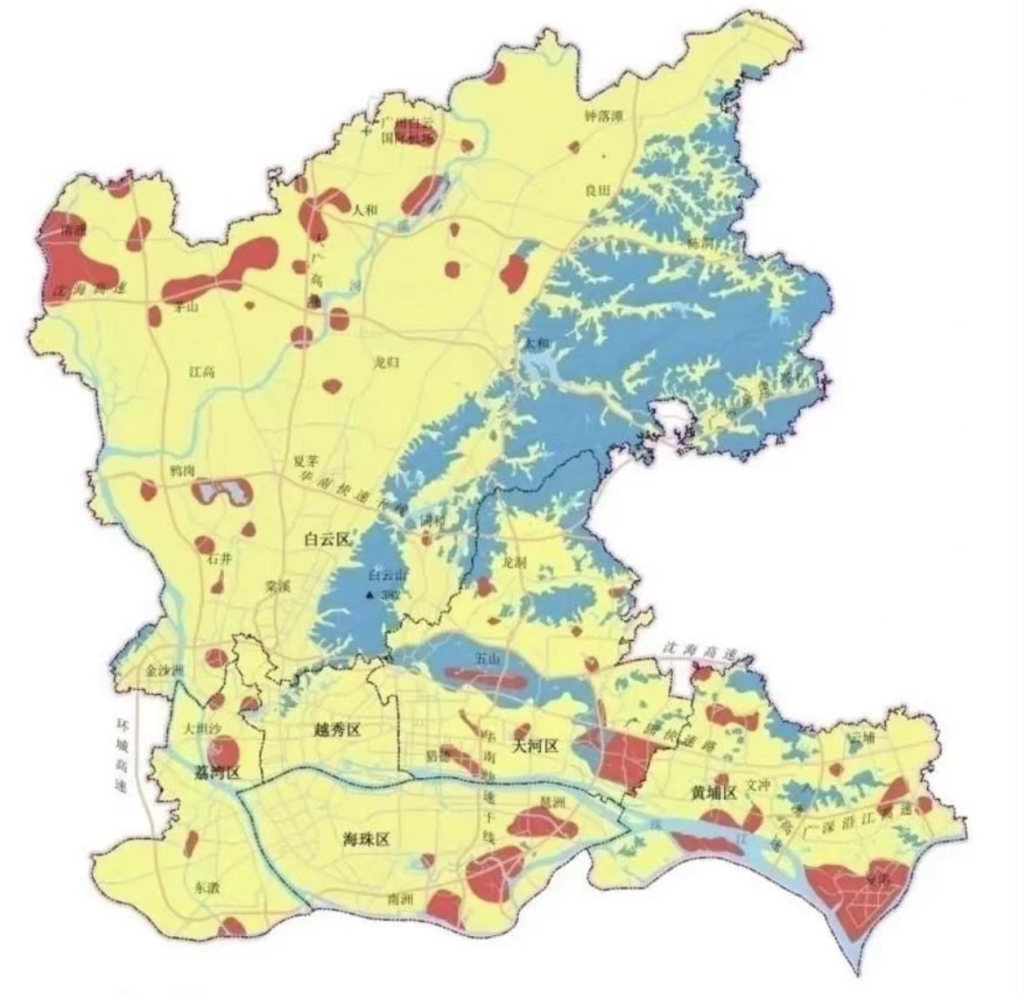
The Guangzhou Urban Planning Institute (GZPI) has:
✔ Created 3D seismic microzonation maps (see below).
✔ Identified 1,248 “risk points” in utility networks.
✔ Developed an AI-powered “PC + APP” monitoring system for real-time alerts.
Personal observation: At GZPI’s demo, I saw how their “lifeline (pipe network) database” pinpoints gas-line weak spots needing reinforcement.
Infrastructure Upgrades
| Project | Progress | Impact |
|---|---|---|
| Bridge dampers | Installed on 23 major bridges | Reduces collapse risk by 40% |
| School retrofits | 120/500 schools completed | Protects 200,000+ students |
| Smart water valves | Testing in Tianhe | Auto-shutoff during tremors |
3. Earthquake Safety Tips for Guangzhou
Before a Quake
- Know evacuation routes: Use the “SuiFangZhen” WeChat mini-program for maps.
- Secure heavy furniture: Anchor bookshelves with L-brackets (available at Decathlon).
- Pack an emergency kit:
- Water (3L/person)
- Flashlight (+ extra batteries)
- Power bank (cell towers may overload)
During a Quake
- Indoors: “Drop, Cover, Hold” under sturdy tables. Avoid windows!
- Outdoors: Move to open spaces (e.g., Huacheng Square).
- Driving: Pull over, avoid overpasses/ tunnels.
After a Quake
- Check for gas leaks (smell for sulfur).
- Use stairs (never elevators).
- Tune to FM105.2 (Guangzhou Emergency Radio).
4. Myth vs. Fact: Guangzhou Earthquake Truths
❌ Myth: “Guangzhou’s skyscrapers are unsafe in quakes.”
✅ Fact: Towers like Canton Tower withstand M8.0+ via base isolators.
❌ Myth: “The Pearl River Delta blocks seismic waves.”
✅ Fact: Soft soils amplify shaking—Panyu’s bedrock depth >50m worsens impacts.
5. Resources & Emergency Contacts
- Guangzhou Seismic Bureau: ☎ +86-20-8333 8091
- Earthquake Early Warning (EEW): Enable alerts on “Dizhenyujing” APP.
- Foreigner Help: 12345 (Multilingual hotline).
Final Verdict: How Safe Is Guangzhou?
While not immune to earthquakes, Guangzhou is among China’s best-prepared cities. Its tech-powered mitigation systems and ongoing infrastructure upgrades significantly reduce risks.
For peace of mind:
✔ Bookmark the CEA’s real-time monitor.
✔ Attend annual drills (every May 12 at Yuexiu Park).
✔ Choose post-2010 buildings for long-term stays.
Stay alert, not anxious—this resilient megacity has your back!


