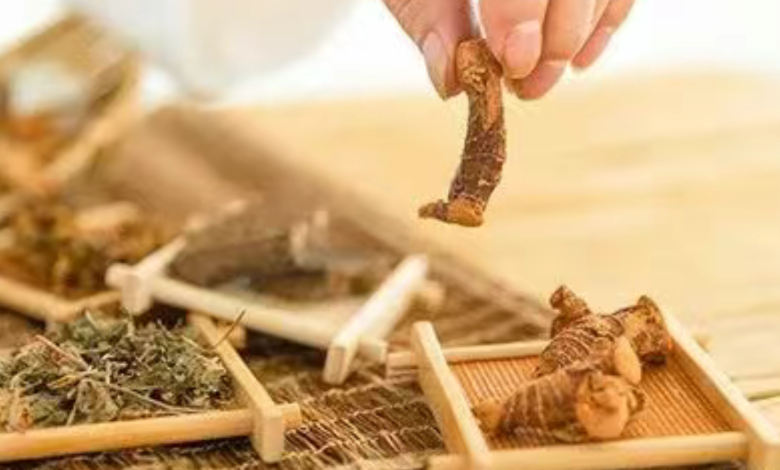
Traditional Chinese Medicine (TCM) has a long history of treating scars, focusing on holistic approaches like “activating blood and removing stasis” to promote healing. Ancient remedies used herbs such as Panax Notoginseng and Licorice Root to reduce inflammation and improve circulation. However, traditional methods faced limitations in absorption and stability. Today, modern technologies, such as low-temperature fermentation, have revolutionized TCM by enhancing the potency and bioavailability of these herbal ingredients. This innovation allows for deeper skin penetration, making herbal treatments more effective in scar management, providing a safer and more efficient alternative to invasive therapies.
1. The Legacy of Traditional Chinese Medicine in Scar Care
Traditional Chinese Medicine (TCM) has a rich history in scar care, with its approach deeply rooted in holistic healing principles. Central to TCM’s understanding of scar formation is the concept of “activating blood and removing stasis” and balancing Qi and blood. According to TCM theory, scars are formed when blood circulation is impaired at the site of an injury, leading to stagnation. This stagnation results in the accumulation of toxins and the formation of excessive scar tissue. By promoting the flow of blood and Qi, TCM aims to break down the stasis, allowing for smoother and more efficient healing, while reducing the appearance of scars.
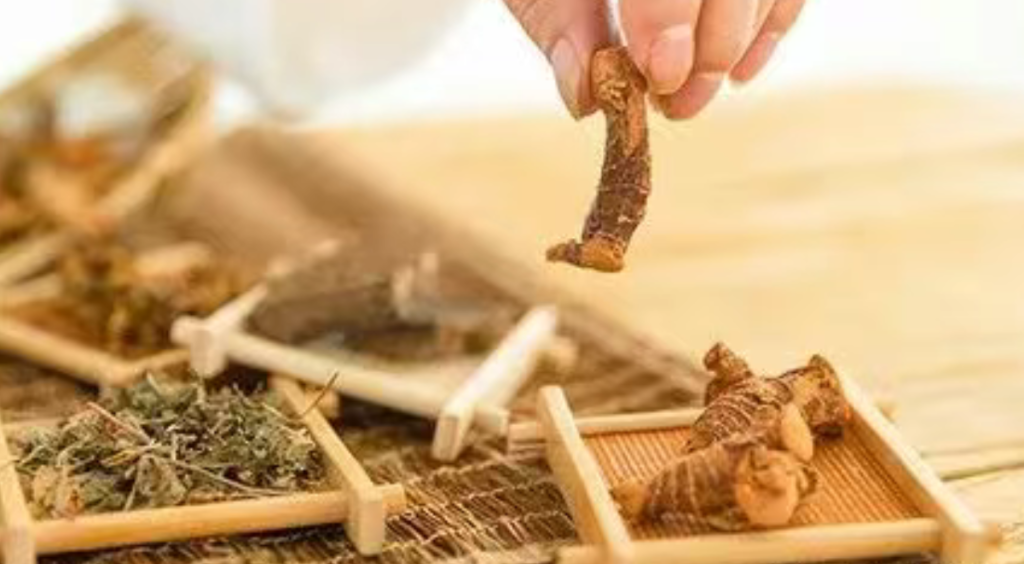
For centuries, TCM has relied on herbal remedies such as Panax Notoginseng, Galla Chinensis , and Licorice Root , which are known for their ability to reduce inflammation, improve circulation, and enhance tissue repair. These herbs work together to soften the scar tissue and prevent abnormal collagen production. However, while traditional methods can be effective, their application sometimes lacks precision in delivery and absorption, limiting their overall impact, especially in cases of stubborn or hypertrophic scars.
TCM takes a comprehensive approach by not only treating the scar itself but also addressing the root causes of skin damage. By focusing on restoring internal balance—through herbal formulations, acupuncture, and dietary adjustments—TCM promotes the body’s natural ability to repair itself. This whole-body approach ensures that the skin heals in harmony with the body, improving the likelihood of scar-free, healthy skin.
2. Modern Fermentation Technology: The Key to Enhancing Herbal Efficacy
Modern fermentation technology plays a crucial role in enhancing the efficacy of herbal remedies, particularly in the treatment of scars. Low-temperature fermentation involves fermenting herbal ingredients at controlled, lower temperatures (usually below 50°C), which preserves the integrity of bioactive compounds. This method increases the potency of the herbs while ensuring their stability over time. By avoiding high temperatures, this process helps retain the delicate, active ingredients that can be degraded or lost through traditional heating methods.
One of the key advantages of low-temperature fermentation is its ability to improve the stability of herbal compounds. This is essential for products aimed at scar treatment, as stable active ingredients are more effective over time. For example, in the treatment of keloid scars, the consistent release of potent herbal extracts like Panax Notoginseng and Galla Chinensis helps reduce scar formation by improving circulation and controlling collagen overproduction.
Additionally, fermentation increases the skin penetration of herbal extracts. In traditional medicine, some herbs struggle to penetrate the skin’s protective layers, limiting their effectiveness. With modern fermentation, the active ingredients become more bioavailable, allowing them to target scar tissue more directly and promote faster, more efficient healing.
By combining ancient herbal wisdom with modern technology, low-temperature fermentation addresses the limitations of traditional Chinese medicine, ensuring better absorption and more stable, long-lasting results for scar healing. This fusion of modern science and ancient remedies offers a safe, non-invasive way to treat keloid scars and other skin issues effectively.
3. Key Herbal Ingredients in Scar Treatment: From Tradition to Innovation
Traditional Chinese Medicine has long relied on key herbal ingredients like Panax Notoginseng , Galla Chinensis , and Licorice Root for scar treatment. Each of these herbs plays a vital role in promoting healing and minimizing scar formation. Panax Notoginseng is known for its ability to activate blood circulation and reduce fibrosis, making it effective in softening hardened scar tissue. Galla Chinensis has powerful anti-inflammatory and antimicrobial properties, helping to prevent infection and reduce scar tissue formation. Licorice Root, with its soothing and anti-inflammatory effects, promotes tissue repair and balances the other herbs, ensuring a harmonious formulation.
While these traditional herbs have proven effective, modern technology has significantly enhanced their therapeutic potential. Low-temperature fermentation, for example, optimizes the release of herbal compounds, ensuring that the active ingredients are preserved and delivered more efficiently. This technology allows for a more stable and potent formulation, overcoming the limitations of traditional herbal methods, where absorption and consistency could be problematic.
By combining these ancient herbal remedies with modern technological advancements, we can better address the challenges posed by different types of scars. Whether dealing with hypertrophic scars, keloids, or acne scars, the fusion of time-tested herbs and cutting-edge technology ensures that the treatment is more effective and precise. This holistic approach not only enhances scar healing but also offers a non-invasive, safe, and long-lasting solution for various skin issues.
4. The Benefits of Combining Ancient Wisdom with Modern Science
The combination of ancient wisdom from Traditional Chinese Medicine (TCM) with modern scientific advancements has proven to be a powerful approach to scar treatment, offering numerous benefits. First and foremost, the integration of traditional herbal formulas with modern technology—such as low-temperature fermentation—enhances the effectiveness of scar treatments. Ancient herbs like Panax Notoginseng, Galla Chinensis, and Licorice Root have been used for centuries to promote healing, while modern technology improves the bioavailability and stability of these ingredients, ensuring that they are delivered more efficiently to the skin and remain potent over time.
One of the significant advantages of combining TCM with modern science is its ability to provide safe, non-invasive treatment. Unlike invasive procedures such as laser therapy or surgery, which carry risks of side effects like scarring, infection, and prolonged recovery, herbal treatments based on TCM are natural, gentle, and free from harsh chemicals or procedures. This makes them an ideal option for those who prefer a non-invasive approach to scar healing.
Furthermore, the synergy of traditional herbal wisdom and modern techniques offers long-lasting, stable results. Modern technology ensures that the healing process is both consistent and effective, while TCM’s holistic approach addresses the root causes of scar formation, promoting lasting skin health. This combination not only accelerates the healing process but also ensures that the results are more durable and resistant to future scarring, providing a safe, effective, and enduring solution for scar management.
5. Real-World Applications: How TCM-Based Products are Revolutionizing Scar Care
Traditional Chinese Medicine (TCM)-based products have revolutionized scar care by combining the wisdom of ancient herbal remedies with modern technology, offering a safe and effective alternative to invasive treatments. One such product, Hua Die Fei Scar Removal Liquid , utilizes low-temperature fermentation technology to enhance the potency and absorption of traditional herbs. This innovative process preserves the active ingredients in herbs like Panax Notoginseng, Galla Chinensis, and Licorice Root, ensuring that they penetrate deeper into the skin to target and repair scar tissue effectively. The low-temperature fermentation ensures better stability, enhancing the efficacy of these ingredients in scar management.
Users have reported significant improvements in the appearance and texture of their scars after using these products consistently. Many have experienced reduced scar size, improved skin smoothness, and lighter skin tone in a matter of weeks. Successful cases show a reduction in the redness and firmness of scars, making them less noticeable and more pliable. This positive user feedback highlights the practical efficacy of TCM-based treatments in real-world settings.
TCM products, like Hua Die Fei, offer a safe and non-invasive solution for modern scar care. They provide an alternative to more aggressive treatments such as laser therapy or surgery, which may involve high costs, downtime, and potential side effects. With consistent use, these herbal products not only repair scars but also restore skin health, making them an excellent choice for those seeking an efficient, gentle, and long-lasting solution to scar management.
The integration of Traditional Chinese Medicine (TCM) with modern technology marks a groundbreaking innovation in scar treatment. By combining the time-tested healing power of herbs with advanced techniques like low-temperature fermentation, we can enhance efficacy, stability, and skin penetration. This fusion offers a natural, safe, and effective alternative to invasive treatments. We encourage readers to explore this holistic approach and choose a scar care solution that aligns with their needs. With personalized treatment, you can achieve smoother, healthier skin without the risks and costs of more aggressive procedures.